General Dentistry
Balance chair access, delivery reach, imaging position, assistant sightline, and routine turnover.
Map the operatory →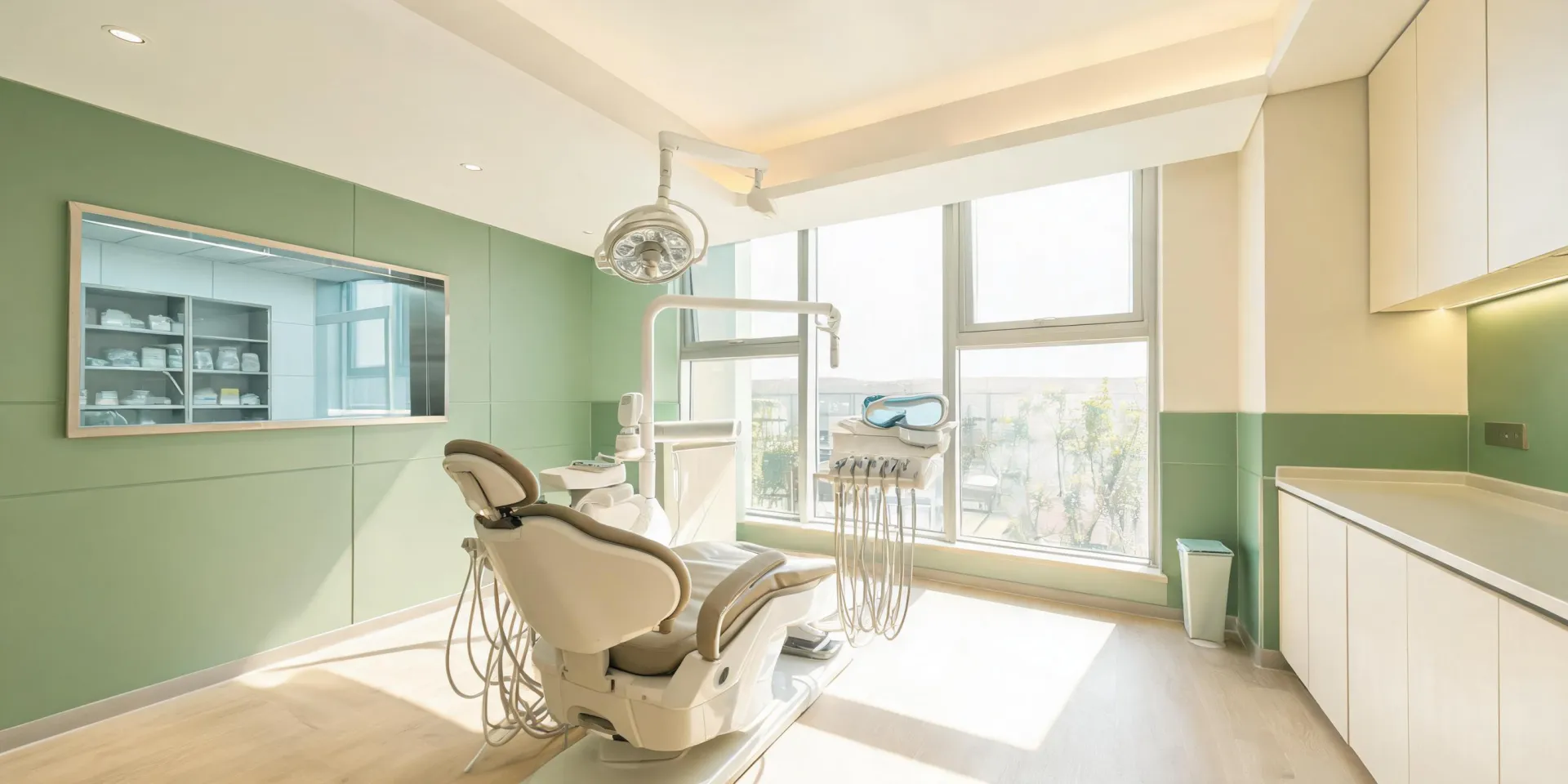
Dental equipment · operatory fit · infection-control flow
Start with procedure mix, clinician reach, utility constraints, reprocessing steps, and destination-market documentation. The result is a clearer shortlist—not a generic equipment bundle.
Begin with the setting
Scroll by care setting, then document the actual procedures, operator positions, cleaning route, and daily case pattern.
Balance chair access, delivery reach, imaging position, assistant sightline, and routine turnover.
Map the operatory →Define sterile field, suction, emergency access, instrument staging, and implant workflow.
Review procedure flow →Connect scanning, design, milling, sintering, shade review, and data retention without cross-traffic.
Plan the digital path →Match pediatric, orthodontic, endodontic, or prosthodontic tasks to access and ergonomics.
Define specialty needs →Separate dirty-to-clean movement, packaging, sterilization, release, storage, and traceability.
Trace the clean flow →Swipe or scroll to compare settings
Fit before features
Each check turns an attractive equipment list into a room-level acceptance plan.
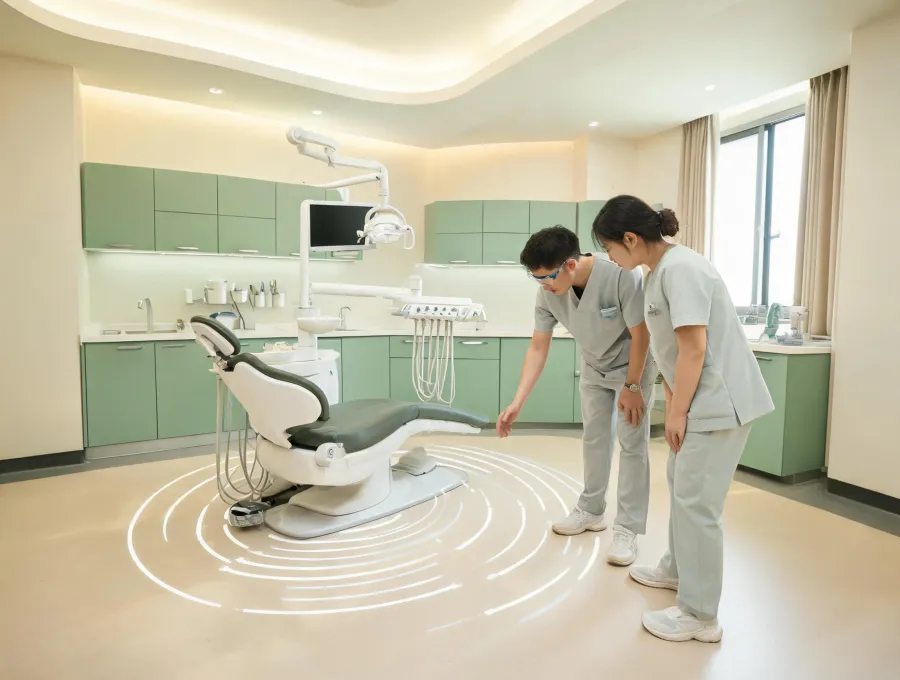
Document seated and standing positions, left- or right-handed delivery, assistant reach, monitor height, light sweep, and patient-transfer clearance. Human-factors review can reference IEC 62366-1, but acceptance remains tied to the selected configuration and representative users.
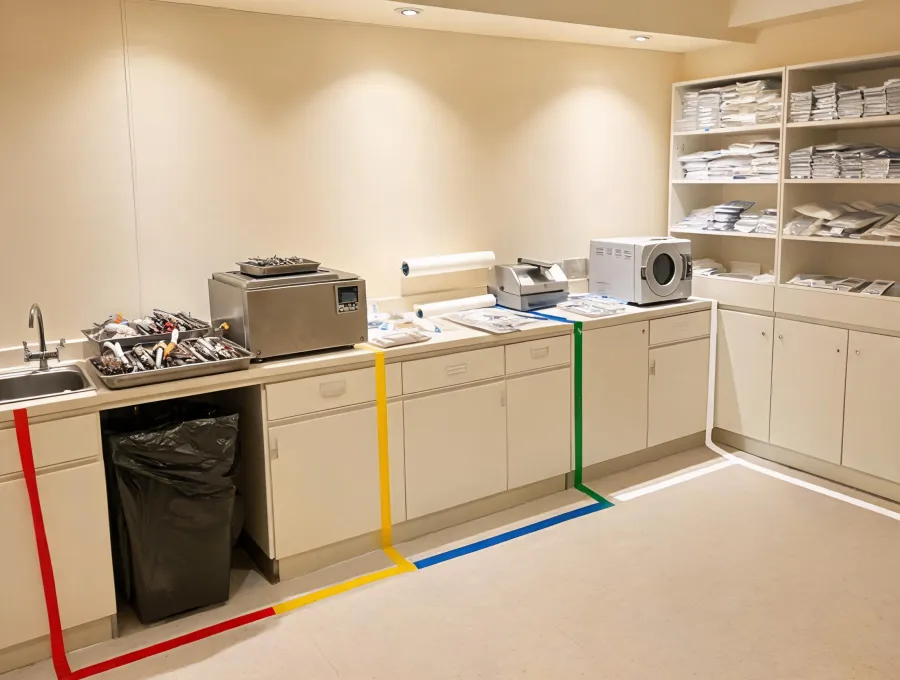
Trace receipt, cleaning, inspection, packaging, sterilization, release, and protected storage. For applicable products, review the labeled autoclave / steam sterilization cycle, packaging compatibility, chemical and biological indicator process, and sterility assurance level (SAL) evidence without treating SAL as a blanket product claim.

A procurement record should connect the catalog number to intended use, unique device identification (UDI), electrical and electromagnetic compatibility (EMC) documentation where applicable, cleaning instructions, service scope, and destination-market status. Company-level language does not replace model-specific evidence.
An advisory principle, not a customer endorsement
“A dental room works when the clinician can reach, the assistant can see, the patient can transfer, and the team can reprocess without crossing the clean boundary.”
BTL operatory planning standard · validate against the selected equipment and local protocol
Questions by decision stage
Bring the room, not only the model name
Share dimensions, procedure mix, operator handedness, existing utilities, reprocessing path, market, and decision date. The first response can then identify documentation gaps and the right review route.